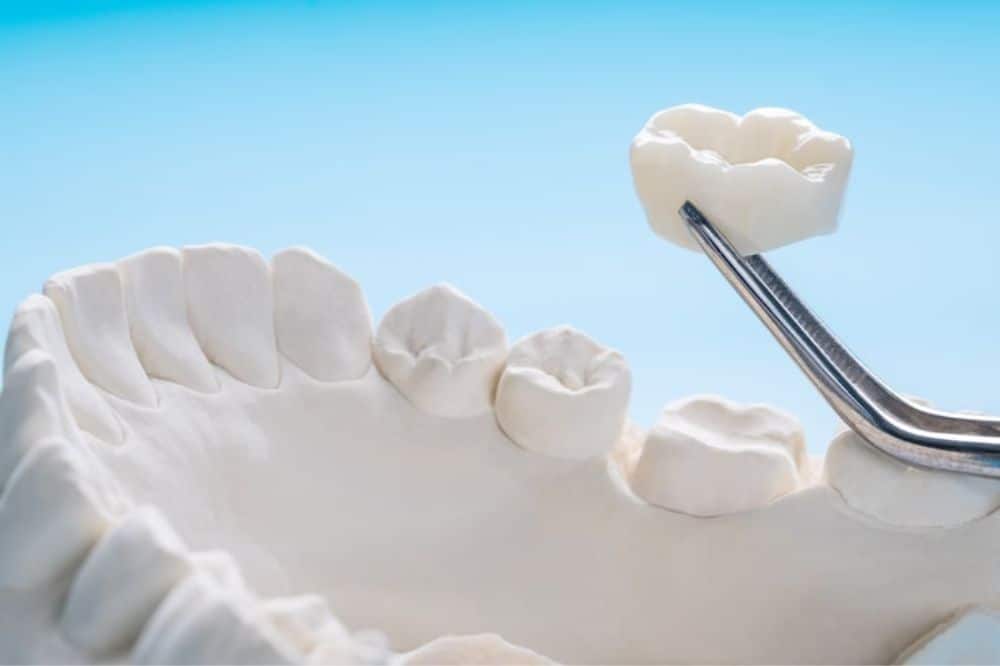
A dental crown is one of the most common restorations in dentistry—and one of the most misunderstood. Many patients hear the word “crown” and immediately feel anxious, unsure of what it involves or why it is being recommended.
If you are looking into dental crowns in NW Calgary and want to understand exactly what they are, when they are needed, and what the process involves, this guide covers everything in simple, clear language.
What Is a Dental Crown?
A dental crown is a custom-made cap that fits over the entire visible portion of a tooth—from the gumline up. It restores the tooth’s shape, size, strength, and appearance all at once.
A filling repairs one part of the tooth, but a crown surrounds the whole tooth to protect it entirely. In situations where a tooth cannot be saved but there is still enough of it remaining to warrant a restoration, a crown is the best choice.
Crowns can be made from several materials, including porcelain, ceramic, zirconia, metal, or a combination. Your dentist will recommend the most suitable material based on which tooth needs the crown, how much chewing pressure it takes, and your aesthetic preferences.
When Is a Crown Needed?
A dental clinic near you may recommend a crown in several situations.
Common reasons include:
- A tooth with a large cavity that a filling cannot adequately support
- A cracked or fractured tooth at risk of breaking further
- A tooth that has been worn down significantly from grinding
- A tooth that has undergone root canal treatment and needs protection
- A severely discoloured or misshapen tooth that affects both appearance and function
- A dental implant that needs a crown placed on top to complete the restoration
- An old or failing filling that has compromised too much of the tooth structure
The common thread in all of these situations is the same — the tooth needs comprehensive coverage and support that a simpler restoration cannot provide.
Dental Crown Procedure Steps
Understanding the dental crown procedure steps makes the whole process far less intimidating. Most crowns are completed over two appointments.
First Appointment
- Your dentist examines the tooth and takes X-rays to assess the damage and check the surrounding bone
- A local anesthetic is applied to numb the area completely
- The tooth is gently shaped to create room for the crown to fit over it
- An impression or digital scan is taken to capture the exact shape of the prepared tooth
- A temporary crown is placed to protect the tooth while your permanent one is being made at a dental lab
Second Appointment
- The temporary crown is carefully removed
- The permanent crown is placed and checked for fit, colour, and bite
- Small adjustments are made if needed
- The crown is permanently cemented into place
- Your bite is checked one final time before you leave
Most patients find both appointments very manageable. The numbing works well, and the process is smoother than most people expect.
Caring for Your Crown
With proper care, a dental crown can last between 10 and 15 years — and often longer. For patients seeing a dentist near Ranchlands, maintaining the crown is straightforward.
Habits that protect your crown long-term:
- Brush twice a day with a soft-bristle toothbrush
- Floss daily around the base of the crown where it meets the gumline
- Avoid chewing on ice, hard candy, or very hard foods
- Wear a nightguard if you grind your teeth during sleep
- Attend regular check-ups so the crown and surrounding gum tissue can be monitored
The tooth underneath the crown can still develop decay if the gumline area is not cleaned properly. Daily brushing and flossing around the crown is just as important as caring for natural teeth.
A Trusted Guide for Your Smile — Visit Royal Vista Dental
A dental crown is not something to fear — it is one of the most reliable and effective ways to protect a damaged tooth and restore full function. With the right team guiding you through each step, the experience is far simpler than most patients anticipate.
At Royal Vista Dental, the team takes the time to explain every part of the treatment clearly so you always know what to expect. Book your appointment today and find out whether a dental crown is the right solution for your smile.
Frequently Asked Questions
Q1: Does getting a dental crown hurt?
The procedure is performed under local anesthetic, so most patients feel only mild pressure during treatment. Some sensitivity in the area is normal for the first few days after the permanent crown is placed, but this settles quickly on its own.
Q2: How do I know if my tooth needs a crown or just a filling?
A filling is suitable for smaller areas of decay where enough healthy tooth structure remains to support it. If the damage is more extensive — affecting a large portion of the tooth or weakening the overall structure — a crown provides better long-term protection. Your dentist will assess the tooth and recommend the most appropriate restoration.
Q3: Will my crown look natural?
Yes. Modern porcelain and ceramic crowns are designed to closely match the colour, shape, and texture of your surrounding teeth. Most people cannot tell the difference between a well-made crown and a natural tooth.
Q4: What happens if I delay getting a crown my dentist has recommended?
Delaying a recommended crown allows the underlying damage to worsen. A cracked tooth can fracture completely. A weakened tooth after a root canal can break. What could have been a straightforward crown placement may become a more complex situation—or even result in tooth loss. Acting promptly is always the better choice.