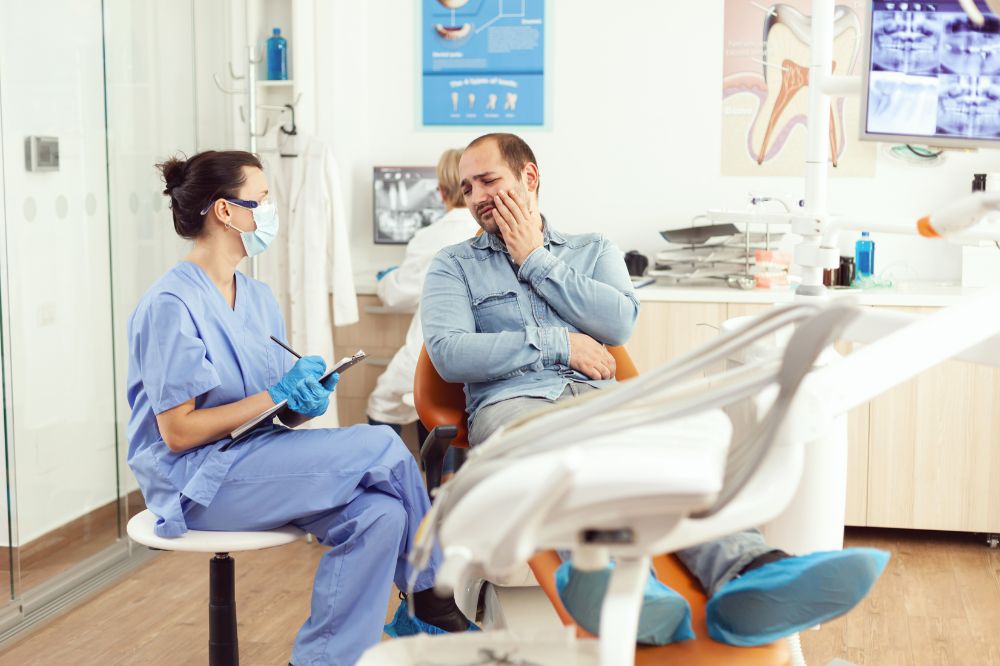
Can sleep issues like your breathing stopping at night be related to sleep apnea? Sleep apnea is a condition that causes breathing to stop and start repeatedly during sleep. Sleeping too much can reduce sleep quality, deplete energy levels, and affect health. A dentist in Calgary NW can help identify early signs of the condition and manage it, especially in mild-to-moderate cases. Most people would be surprised to know.
How Dental Visits Can Reveal Sleep Issues
Sleep apnea is often first noticed during routine dental check-ups. Many patients visit a family dentist near you for regular care without realizing that their sleep symptoms may be linked to oral health.
During an exam, a dentist may observe signs such as:
- Worn teeth from grinding
- A small or narrow airway
- Jaw alignment issues
- Dry mouth signs
- Red or irritated throat tissues
These clues help dentists suspect possible sleep-related breathing problems and guide patients toward further evaluation.
What is Obstructive Sleep Apnea?
Obstructive sleep apnea is the most common type. During sleep, relaxation of the throat muscles can partially or completely block the airway, leading to obstructive sleep apnea. Breathing will stop and start again over and over at night.
Common symptoms include:
- Loud snoring
- Gasping or choking during sleep
- Morning headaches
- Dry mouth after waking
- Feeling very tired during the day
- Poor focus and memory issues
Because these symptoms develop slowly, many people do not realize the seriousness of the condition at first.
How Dentists Help with Obstructive Sleep Apnea
Understanding how dentists can help with obstructive sleep apnea is key for patients seeking non-surgical treatment options. Dentists can create custom oral appliances that help keep the airway open during sleep.
These devices work by gently adjusting the jaw or tongue to prevent airflow obstruction. They are commonly used for mild to moderate sleep apnea cases or for people who find CPAP machines uncomfortable.
Benefits of dental sleep appliances include:
- Easy to wear during sleep
- Small and travel-friendly
- Custom-made for comfort
- No masks or machines needed
- Helps reduce snoring and breathing interruptions
These appliances do not cure sleep apnea, but they can effectively manage symptoms in many cases.
When Dental Care Becomes an Important Step
If sleep problems are affecting daily life, visiting a dental clinic near you can be a helpful starting point. Dentists can examine oral signs of sleep apnea and determine whether further testing is needed.
A sleep specialist might recommend you undergo a sleep study to confirm the condition and assess its severity. Dental and medical professionals are required to work together for diagnosis and treatment planning.
How Dentists Support Sleep Apnea Management
Dentists play an important role in helping manage sleep apnea. They usually help by:
- Checking jaw and airway structure
- Identifying signs of breathing issues during sleep
- Designing custom oral appliances
- Adjusting devices for comfort and effectiveness
- Monitoring long-term results
While dentists do not replace sleep doctors, they provide practical solutions that improve nighttime breathing and sleep quality.
Why Sleep Apnea Should Not be Ignored
Sleep apnea is more than just snoring. If left untreated, it can affect your health and daily life.
Some effects include:
- Feeling tired all the time, even after sleeping
- Trouble focusing and remembering things
- Mood changes and feeling easily irritated
- Morning headaches
- Extra stress on heart health over time
Getting help early can reduce these problems and improve overall health and well-being.
Oral Appliances vs Other Treatments
Sleep apnea can be managed in different ways. The most common treatments include CPAP machines and oral appliances.
- CPAP machines use air pressure through a mask to keep the airways open
- Oral appliances reposition the jaw or tongue to prevent airway blockage.
Many patients prefer oral appliances because they are simpler, quieter, and easier to use during travel. However, the right option depends on the severity of the condition.
Signs that May Point to Sleep Apnea
Sleep apnea often goes unnoticed. Some warning signs include:
- Loud and frequent snoring
- Pauses in breathing during sleep (noticed by others)
- Waking up suddenly at night
- Dry mouth or sore throat in the morning
- Feeling sleepy during the day
- Difficulty focusing or staying alert
If these symptoms are present, a dental evaluation may help identify early warning signs.
How Treatment Improves Daily Life
Managing sleep apnea with dental support can lead to noticeable improvements such as:
- Better and deeper sleep
- Less snoring
- Increased daytime energy
- Improved mood and focus
- Better overall breathing during sleep
Even small improvements in sleep quality can make a big difference in daily life and productivity.
Don’t Ignore Poor Sleep and Daytime Tiredness!
Struggling with poor sleep and low energy every day? Sleep apnea is a serious condition that can affect sleep quality, daily energy levels, and long-term health. Early dental evaluation can help identify the signs and provide simple, effective treatment options that support better breathing during sleep and improved overall well-being. Book your appointment today with Royal Vista Dental!
FAQs
Can dentists diagnose sleep apnea?
Dentists cannot confirm sleep apnea alone, but they can identify signs and refer patients for a sleep study.
Do dental appliances really work for sleep apnea?
Yes, oral appliances can effectively manage mild to moderate sleep apnea by keeping the airway open.
Is dental treatment for sleep apnea safe?
Yes, custom-made dental devices are safe and designed to fit comfortably in the mouth.
Do i still need a sleep specialist?
Yes, a sleep study from a medical specialist is needed to confirm the condition and its severity.